

Why forum book reviews can mislead—even when ratings look convincing

Forums that host book reviews are invaluable for discovery, but they can also steer readers wrong. Many threads display an appealing star average or an enthusiastic endorsement, yet beneath the surface you'll find patterns like rating inflation, selection bias, and coordinated campaigns that shift perceived quality. If you also consult platforms that publish Casino review ratings, you’ll notice the same mechanics at work: numbers that look objective can hide subjective or manipulated inputs. Understanding those mechanics is the first step to making smarter reading choices before you buy.
How ratings get skewed: the usual suspects
Not all distortions are malicious, but they all matter. When you scan a forum’s average score, consider these common causes of distortion:
- Self-selection bias — Enthusiastic readers are more likely to post, inflating averages.
- Astroturfing — Fake or coordinated positive posts that mimic genuine praise to boost visibility.
- Review bombing — Coordinated negative responses unrelated to book quality, often triggered by off-topic controversies.
- Recency bias — Newer reviews can disproportionately influence perceived quality on dynamic threads.
- Platform incentives — When forums gamify participation, users chase attention instead of balanced critique.
These mechanisms also show up in sectors like casino coverage: Casino review ratings may similarly reflect aggressive marketing, affiliate influence, or selective sampling rather than a neutral assessment of player experience.
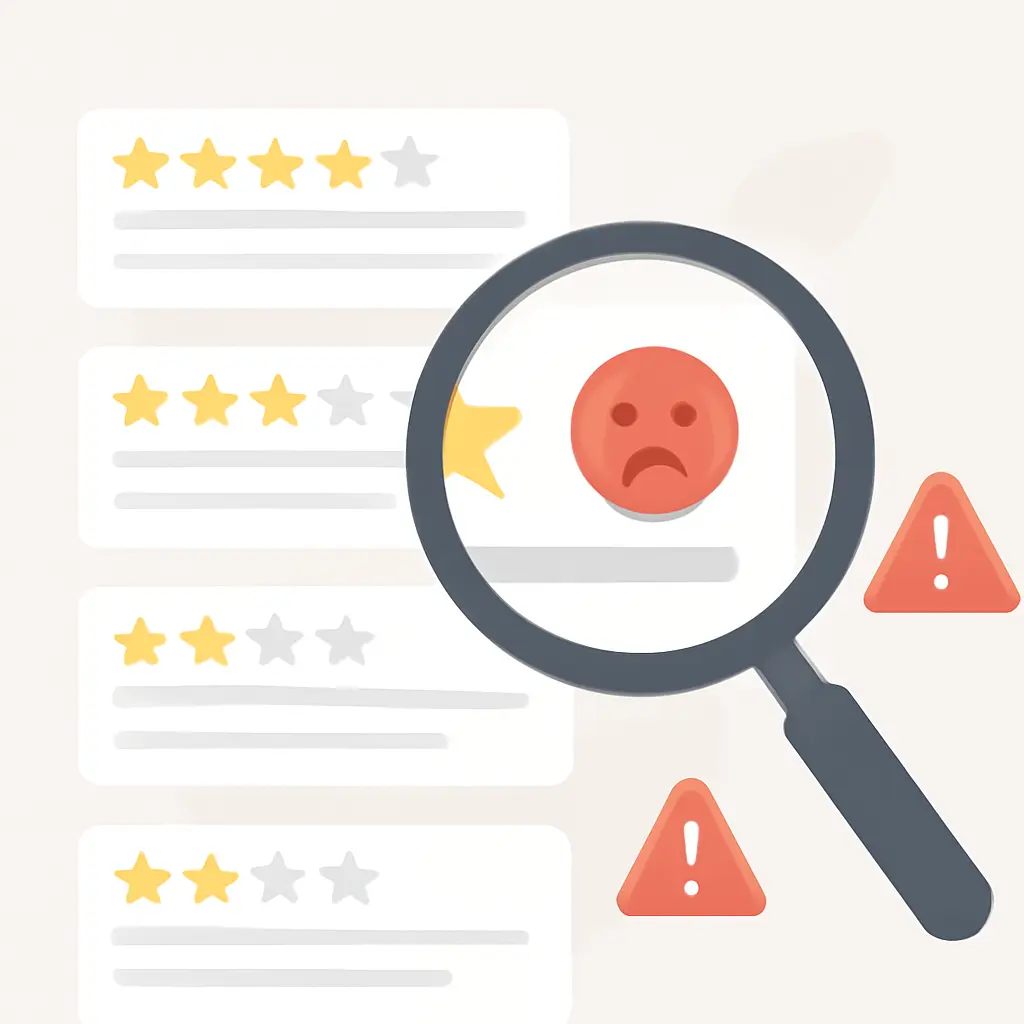
Quick visual cues that a forum rating may be unreliable
Before trusting an average, scan for these signals. They’re simple but effective and can save you from wasting time or money.
- Look for a tight cluster of extremely high or low scores—real readers usually spread across a range.
- Check timestamps: a sudden spike in reviews over a short window is a red flag.
- Read the top and bottom comments; short, repetitive phrases often indicate scripted posts.
- Compare multiple review sources—forums, editorial reviews, and niche lists (for example, compare book notes to how рейтинги онлайн-казино aggregate disparate user experiences).
- Watch for anonymous or brand-new accounts posting the most glowing (or angry) feedback.
Practical checklist: how to evaluate a forum review thread
Use this short checklist every time you use a forum to choose a book or to interpret a numerical rating like those found in обзоры онлайн-казино reports. Apply each step quickly to filter noise from signal.
- Confirm distribution: are reviews spread or clustered?
- Sample comments: read at least three long-form reviews, not just star counts.
- Identify conflicts of interest: affiliate links, author promotion, or repeated usernames.
- Cross-reference with editorial summaries and independent sites.
- Consider the forum’s moderation policies—aggressive moderation can hide dissenting opinions.
If you want a deeper walkthrough on practical alternatives to trusting forum averages, see for step-by-step methods that help you find reliable critiques and choose reads you'll actually enjoy.
Data table: signals, meanings, and actions
The table below condenses common signals into quick interpretations and actions you can take when assessing any review forum or aggregated rating system, including those used for сравнение казино.
| Signal | What it often means | Action |
|---|---|---|
| Tight 4.8–5.0 star cluster | Possible purchased or incentivized praise | Scan for repeated phrases and account age |
| Surge of reviews in 48 hours | Coordinated campaign or sudden publicity | Delay judgment; sample older reviews |
| Many short one-line posts | Low-effort or scripted content | Prioritize long, specific critiques |
| Contradictory expert vs user scores | Different evaluative criteria | Align with your priorities (story, mechanics, credibility) |
| Heavy presence of affiliate links | Monetary incentive to promote | Seek non-monetized discussions or peer reviews |
Why context matters: reading ratings the way an expert would
An expert reviewer treats a forum rating as one datapoint among many. They ask: who benefits if a score rises? Is the sample representative? Are there matched complaints across platforms? This mode of thinking is the same whether you’re evaluating books or scanning рейтинги онлайн-казино for a trustworthy operator. Experienced readers look for corroboration—multiple independent sources saying the same thing—rather than relying on single-thread averages.
Case study: reading between the lines in a heated thread
Imagine a forum where a midlist thriller jumps from 3.2 to 4.6 after a marketing push. The top comments are all short and echo the publisher's talking points. Meanwhile, a handful of detailed, critical posts explain pacing and character issues—those conflicting signals suggest the average is inflated. If this were a casino rating scenario, the sudden jump would prompt the same checks: new promotional campaigns, many fresh accounts, and identical copy in user comments—classic signs to dig deeper, not to trust the headline number.
Conclusion: make ratings work for you
Forum book reviews are powerful tools when used with critical filters. By spotting selection bias, checking timestamps, and cross-referencing multiple sources—including how other industries treat aggregated scores like обзоры онлайн-казино—you reduce the risk of a poor purchase. Remember these core takeaways: prioritize detailed evidence over star averages, watch for sudden review surges, and favor platforms with transparent moderation and non-monetized discussion. With those habits, you’ll turn noisy forums into a helpful part of your reading research toolkit.
Final note: Always balance forum sentiment with your personal reading criteria—tone, genre, and past author work—so that ratings inform, but don't dictate, your choices.



To leave a comment, please sign up or log in
Log in / Sign up